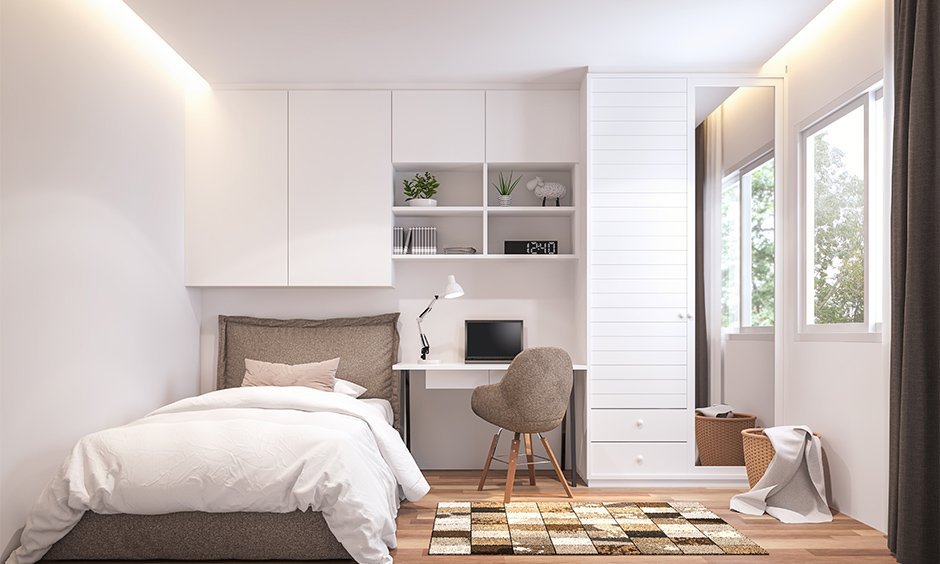
Lighting plays a crucial role in how a small space looks and feels. The right lighting can make a compact room appear larger, brighter, and more inviting. Poor lighting, on the other hand, can make even a well-designed space feel cramped and uncomfortable. By using smart lighting strategies, you can transform small areas into stylish and functional environments.
Understanding the Challenges of Small Spaces
Small spaces often come with limitations such as low ceilings, limited natural light, and restricted layout options. These challenges make lighting even more important.
The goal is to create an illusion of space while ensuring adequate illumination. This requires thoughtful planning and the use of multiple lighting techniques.
To explore modern lighting solutions for compact spaces, visit for more details on Auvris Official Website
Maximizing Natural Light
Natural light is one of the most effective ways to enhance a small space. Allowing as much daylight as possible into the room can make it feel open and airy.
Use sheer curtains or blinds that do not block sunlight. Placing mirrors opposite windows can reflect light and distribute it throughout the room.
Keeping windows unobstructed helps maintain a bright and welcoming atmosphere.
Using Layered Lighting
Layered lighting is essential for small spaces. Combining ambient, task, and accent lighting creates depth and prevents the room from feeling flat.
Ambient lighting provides general illumination, while task lighting focuses on specific areas such as desks or kitchen counters. Accent lighting highlights decorative elements and adds visual interest.
This combination ensures that your space is both functional and aesthetically pleasing.
Choosing the Right Fixtures
Selecting appropriately sized fixtures is crucial in small spaces. Oversized lighting can overwhelm the room, while fixtures that are too small may not provide enough illumination.
Opt for compact designs that offer both style and functionality. Flush mount or semi-flush ceiling lights are ideal for rooms with low ceilings.
Wall-mounted fixtures can also save floor space while adding a decorative touch.
Incorporating Wall and Ceiling Lighting
Wall and ceiling lighting are excellent options for maximizing space. Wall sconces and mounted lamps free up valuable surface and floor areas.
Ceiling lights provide even illumination without taking up space. Recessed lighting is particularly effective in creating a clean and modern look.
These options help maintain a clutter-free environment while ensuring proper lighting.
Using Mirrors to Enhance Lighting
Mirrors are a powerful tool in small spaces. They reflect both natural and artificial light, making the room appear larger and brighter.
Strategically placing mirrors near light sources can amplify their effect. This simple technique can significantly improve the overall ambiance of your space.
Mirrors also add a decorative element, enhancing the visual appeal of the room.
Opting for Light Colors
Light-colored walls and decor can enhance the effectiveness of your lighting. Shades such as white, cream, and pastels reflect light better than darker tones.
This creates a brighter and more open feel. Combining light colors with proper lighting can make a small space appear significantly larger.
Consistency in color and lighting helps maintain a cohesive design.
Adding Multi-Functional Lighting
In small spaces, functionality is key. Multi-functional lighting fixtures, such as adjustable lamps or fixtures with built-in storage, can maximize efficiency.
These solutions help you make the most of limited space while maintaining a stylish look. Flexibility in lighting allows you to adapt to different needs and activities.
Choosing versatile options ensures that your space remains practical and comfortable.
Highlighting Vertical Space
Using vertical space effectively can make a small room feel taller. Installing lights higher on the walls or using tall floor lamps can draw the eye upward.
This creates the illusion of height and makes the room feel less confined. Vertical lighting techniques are particularly useful in rooms with low ceilings.
They add dimension and improve the overall perception of space.
Avoiding Cluttered Lighting Designs
Too many fixtures or overly complex designs can make a small space feel crowded. Keeping your lighting simple and well-organized is essential.
Choose a few key fixtures that complement each other and provide adequate illumination. Avoid unnecessary elements that do not contribute to the overall design.
A clean and minimal approach helps maintain a sense of openness.
Using Dimmers for Flexibility
Dimmers are a valuable addition to small spaces. They allow you to adjust the brightness according to your needs and create different moods.
Lower lighting levels can make the space feel cozy, while brighter settings are ideal for tasks and activities.
This flexibility enhances both functionality and comfort.
Incorporating Decorative Lighting
Decorative lighting can add personality to your space without taking up too much room. Unique fixtures or stylish lamps can serve as focal points.
Choosing designs that complement your decor ensures a cohesive look. Decorative lighting adds character while maintaining practicality.
It is an easy way to elevate the overall design of your space.
Conclusion
Lighting is a powerful tool for transforming small spaces. By maximizing natural light, using layered lighting, and choosing the right fixtures, you can create a bright and inviting environment.
Thoughtful design and strategic placement can make even the smallest rooms feel spacious and comfortable. With the right approach, your compact space can become both functional and stylish.
For more inspiration and premium lighting solutions, visit for more details on https://auvris.com/